Fortifying Ferment: A Guide to Gut Health and Chronic Disease Prevention
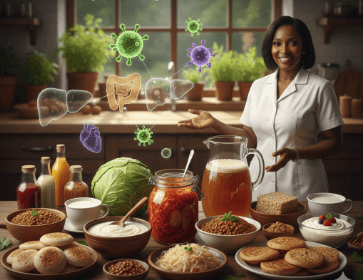
From Australian kombucha to Korean kimchi, Nigerian ogi, and Peruvian chicha, fermented foods have nourished humanity for centuries. Modern science now confirms what traditional diets have always known — these foods are natural allies for gut health, immunity, and chronic disease prevention.
Fortifying Ferment: A Guide to Gut Health and Chronic Disease Prevention


Date
Dec 5, 2025
Dec 5, 2025
Dec 5, 2025
Author
Olabisi Adenuga
Read time
Understanding the why and how of fermentation helps toward better metabolic balance and lasting wellness.
💬 Tip: Fermented foods are a low-cost, high-impact addition to most nutrition plans — especially when culturally familiar to you.
What Exactly Is Fermentation?
Fermentation is a natural process where beneficial microbes — mainly bacteria, yeasts, or molds transform food components. This biochemical change:
Enhances nutrient absorption (e.g., minerals, B vitamins)
Improves digestibility and reduces food toxins
Boosts microbiome diversity
Supports immune regulation
Research from Stanford University showed that a 10-week fermented-food diet significantly increased gut microbial diversity and lowered inflammation in adults (Wastyk et al., Cell,2021).
Fermented Foods Across the Continents
🇳🇬 Africa: The Power of Tradition
African cuisines are rich in naturally fermented foods that promote gut and liver health.
Food | Base Ingredient | Health Benefits |
|---|---|---|
Ogi (Pap/Akamu) | Maize, millet, or sorghum | Aids digestion, improves mineral absorption, moderates blood sugar. |
Iru (Locust bean) | African locust beans | Antioxidant-rich; supports liver and heart function. |
Ugba (Oil bean) | Oil bean seeds | Promotes gut microbial balance and immune support. |
Garri / Fufu | Cassava | Detoxifies cyanide, improves digestion, gut motility. |
Kunu & Nono | Millet or cow milk | Probiotic, boosts gut and immune health. |
🧠Fun fact: Many of these are naturally rich in Lactobacillus plantarum and Bacillus subtilis, bacteria linked to anti-inflammatory and metabolic benefits.Sources: Oguntoyinbo, 2014; Achi & Ukwuru, 2015.
🇰🇷 Asia: The Probiotic Powerhouse
Asian cultures pioneered a variety of probiotic foods backed by decades of research.
Kimchi (Korea): Anti-inflammatory and lipid-lowering properties.
Miso (Japan): Fermented soy that supports hormone and cardiovascular health.
Natto (Japan): High in vitamin K2 and Bacillus subtilis — great for bone and vascular health.
Idli/Dosa (India): Fermented rice-lentil batter enhances digestibility.
Tempeh (Indonesia): Protein-rich, prebiotic soy that stabilizes blood sugar.
💬Coach’s Tip: Clients new to fermented foods often tolerate miso soup or yogurt best before moving to stronger ferments like kimchi or natto.
🇦🇺 Australia: From Bush Foods to Kombucha
Kombucha: Fermented tea high in organic acids that support liver detoxification.
Vegemite: Yeast extract rich in B vitamins (not probiotic but nutrient-dense).
Kakadu Plum Ferments: Emerging Indigenous practice; extremely high in vitamin C and antioxidants.
💬Coach’s Tip: Kombucha can be a refreshing probiotic drink — choose unsweetened versions to avoid added sugars.
🇫🇷 Europe: Dairy and Beyond
Yogurt & Kefir: Improve cholesterol and blood sugar control.
Sauerkraut: Enhances gut immunity and detoxification.
Sourdough Bread: Reduces phytates and improves mineral uptake.
Aged Cheese: Contains beneficial microbes that support digestion.
European fermented dairy is among the most clinically studied for metabolic and cardiovascular health.
🇧🇷 South America: Fermentation Meets the Rainforest
Chicha (Peru/Ecuador): Fermented maize beverage that aids digestion and hydration.
Tucupi (Brazil): Fermented cassava sauce — detoxified and antioxidant-rich.
Cauim (Amazonia): Cassava-based beverage with beneficial lactic acid bacteria.
Studies show these traditional drinks enhance gut flora diversity and nutrient bioavailability.(Rojas et al., Frontiers in Microbiology, 2021.)
🩺 Organ-Specific Benefits
Organ/System | Impact of Fermentation | Evidence |
|---|---|---|
Gut | Increases microbiome diversity, aids digestion | Cell, 2021 |
Liver | Reduces enzymes & supports detox pathways | Frontiers in Nutrition, 2022 |
Heart | Improves lipid profile & reduces oxidative stress | Nutrients, 2020 |
Metabolism | Enhances insulin sensitivity, lowers glucose | J. Dairy Sci., 2019 |
Brain | Produces neuroactive compounds (GABA, serotonin precursors) | Nutrients, 2016 |
💡 Implications for Chronic Disease Management
Condition | Fermented Food Examples | Potential Benefits | Confidence |
|---|---|---|---|
Type 2 Diabetes / Metabolic Syndrome | Kefir, ogi, miso, tempeh | Improves glycemic control, reduces inflammation | High |
Cardiovascular Disease | Iru, natto, yogurt, kimchi | Reduces LDL, improves vessel health | Medium–High |
Fatty Liver (NAFLD) | Garri, kefir, kombucha | Lowers liver enzymes, supports gut–liver axis | Medium |
Obesity / Gut Dysbiosis | Ogi, sauerkraut, kimchi | Enhances satiety, microbiome balance | High |
Mental Health (Anxiety, Depression) | Nono, kimchi, kefir | Supports gut–brain signaling | Medium |
🧭 Coaching Takeaways
Start Small – ½ cup yogurt or 1–2 tbsp fermented vegetables daily.
Go Cultural – Stick to traditional or regional ferments you already know.
Pair With Fiber – Fiber supports the growth of beneficial bacteria introduced by fermented foods.
Safety First – Emphasize clean equipment and moderate salt levels.
Watch Sodium & Histamine – Especially for hypertensive or sensitive clients.
💬Coach’s Tip: Over 8–12 weeks, look for improvements in digestion, energy, and skin clarity.
🌱 Final Thoughts
Fermented foods are more than cultural traditions — they’re living, functional nutrition that bridges ancestral wisdom and modern science. Whether it’s Nigerian iru, Japanese miso, or Brazilian chicha, these foods nurture the microbiome, lower inflammation, and protect vital organs.
From your Lifestyle coach, the message is simple: make fermentation a habit, not a trend.
🌽 Quick Ogi Starter (Nigeria)
Ingredients
2 cups maize or millet
Water (for soaking and blending)
Clean cloth for sieving
Instructions
Soak grains overnight (8–12 hours).
Blend into a smooth paste, add water, and sieve through a fine cloth.
Allow slurry to ferment for 2–3 days until slightly sour.
Boil gently while stirring until thick and creamy.
Serve warm — top with milk or a natural sweetener if desired.
💬 Coach’s Tip:
Fermentation improves nutrient absorption and digestibility — a wonderful breakfast for gut health.
Nutritional Highlights (per serving)
Calories: ~180 kcal
Carbohydrates: 35 g
Protein: 4 g
Fat: 2 g
Probiotics: Lactobacillus fermentum
🥬 Homemade Sauerkraut (Europe)
Ingredients
1 medium cabbage, shredded
1 Tbsp sea salt
Instructions
Massage salt into cabbage until brine forms.
Pack tightly into a jar, ensuring cabbage stays submerged.
Cover loosely and ferment 5–10 days at room temperature.
Store in fridge when taste is tangy and sour.
💬 Coach’s Tip:
Supports immune and digestive health through live probiotics and vitamin C.
Nutritional Highlights (2 Tbsp serving)
Calories: ~10 kcal
Carbohydrates: 2 g
Fiber: 1 g
Vitamin C: 15% Daily Value
Probiotics: Lactobacillus plantarum
🍵 Simple Kombucha (Asia/Australia)
Ingredients
1 SCOBY (Symbiotic Culture of Bacteria & Yeast)
4 tea bags (black or green)
½ cup sugar
8 cups water
Instructions
Brew tea, dissolve sugar, and cool to room temperature.
Add SCOBY and 1 cup starter liquid.
Cover with a breathable cloth and ferment for 7–10 days.
Taste daily; refrigerate once desired tang is reached.
💬 Coach’s Tip:
Kombucha supports detoxification and gut–liver health. Start with small servings (½ cup).
Nutritional Highlights (½ cup serving)
Calories: ~25 kcal
Carbohydrates: 6 g
Organic acids: Gluconic & acetic acids
Probiotics: Saccharomyces boulardii, Acetobacter xylinum
🥛 Nono – Fermented Milk Drink (Nigeria)
Ingredients
2 cups fresh cow’s milk (or plant-based alternative)
¼ cup plain yogurt (starter culture)
Instructions
Warm milk gently to lukewarm (not boiling).
Add yogurt starter and stir well.
Cover loosely and ferment at room temperature (8–12 hours).
Chill before serving; may add millet or honey for flavor.
💬 Coach’s Tip:
Nono delivers live probiotics and calcium for bone, gut, and immune support.
Nutritional Highlights (1 cup serving)
Calories: ~140 kcal
Protein: 8 g
Fat: 7 g
Calcium: 25% Daily Value
Probiotics: Lactobacillus bulgaricus, Streptococcus thermophilus
🌶️ Classic Kimchi (Korea)
Ingredients
1 medium Napa cabbage
2 Tbsp sea salt
1 Tbsp chili flakes (gochugaru)
3 cloves garlic, minced
1-inch ginger, grated
2 green onions, chopped
Instructions
Salt the cabbage leaves; soak for 2 hours.
Rinse and mix with remaining ingredients.
Pack into jars and ferment 3–5 days at room temperature.
Store in fridge once tangy.
💬 Tip:
Kimchi is rich in antioxidants, fiber, and probiotics — excellent for heart and immune health.
Nutritional Highlights (2 Tbsp serving)
Calories: ~15 kcal
Fiber: 1 g
Vitamin A: 10% Daily Value
Probiotics: Lactobacillus kimchii, Leuconostoc mesenteroides
References
Wastyk H.C. et al. (2021). Cell, 184(16): 4137–4153.
Marco M.L. et al. (2021). Nature Rev. Gastroenterol. Hepatol., 18, 196–208.
Oguntoyinbo F.A. (2014). Food Research Int., 52, 161–168.
Park K.Y. et al. (2014). J. Med. Food, 17(1): 6–20.
Rojas V. et al. (2021). Front. Microbiol., 12: 679397.
Jayabalan R. et al. (2014). Compr. Rev. Food Sci. Food Saf., 13(4): 538–550.
Oluwajuyitan T.D. & Ijarotimi O.S. (2019). J. Food Biochem., 43(3): e12732.

Understanding the why and how of fermentation helps toward better metabolic balance and lasting wellness.
💬 Tip: Fermented foods are a low-cost, high-impact addition to most nutrition plans — especially when culturally familiar to you.
What Exactly Is Fermentation?
Fermentation is a natural process where beneficial microbes — mainly bacteria, yeasts, or molds transform food components. This biochemical change:
Enhances nutrient absorption (e.g., minerals, B vitamins)
Improves digestibility and reduces food toxins
Boosts microbiome diversity
Supports immune regulation
Research from Stanford University showed that a 10-week fermented-food diet significantly increased gut microbial diversity and lowered inflammation in adults (Wastyk et al., Cell,2021).
Fermented Foods Across the Continents
🇳🇬 Africa: The Power of Tradition
African cuisines are rich in naturally fermented foods that promote gut and liver health.
Food | Base Ingredient | Health Benefits |
|---|---|---|
Ogi (Pap/Akamu) | Maize, millet, or sorghum | Aids digestion, improves mineral absorption, moderates blood sugar. |
Iru (Locust bean) | African locust beans | Antioxidant-rich; supports liver and heart function. |
Ugba (Oil bean) | Oil bean seeds | Promotes gut microbial balance and immune support. |
Garri / Fufu | Cassava | Detoxifies cyanide, improves digestion, gut motility. |
Kunu & Nono | Millet or cow milk | Probiotic, boosts gut and immune health. |
🧠Fun fact: Many of these are naturally rich in Lactobacillus plantarum and Bacillus subtilis, bacteria linked to anti-inflammatory and metabolic benefits.Sources: Oguntoyinbo, 2014; Achi & Ukwuru, 2015.
🇰🇷 Asia: The Probiotic Powerhouse
Asian cultures pioneered a variety of probiotic foods backed by decades of research.
Kimchi (Korea): Anti-inflammatory and lipid-lowering properties.
Miso (Japan): Fermented soy that supports hormone and cardiovascular health.
Natto (Japan): High in vitamin K2 and Bacillus subtilis — great for bone and vascular health.
Idli/Dosa (India): Fermented rice-lentil batter enhances digestibility.
Tempeh (Indonesia): Protein-rich, prebiotic soy that stabilizes blood sugar.
💬Coach’s Tip: Clients new to fermented foods often tolerate miso soup or yogurt best before moving to stronger ferments like kimchi or natto.
🇦🇺 Australia: From Bush Foods to Kombucha
Kombucha: Fermented tea high in organic acids that support liver detoxification.
Vegemite: Yeast extract rich in B vitamins (not probiotic but nutrient-dense).
Kakadu Plum Ferments: Emerging Indigenous practice; extremely high in vitamin C and antioxidants.
💬Coach’s Tip: Kombucha can be a refreshing probiotic drink — choose unsweetened versions to avoid added sugars.
🇫🇷 Europe: Dairy and Beyond
Yogurt & Kefir: Improve cholesterol and blood sugar control.
Sauerkraut: Enhances gut immunity and detoxification.
Sourdough Bread: Reduces phytates and improves mineral uptake.
Aged Cheese: Contains beneficial microbes that support digestion.
European fermented dairy is among the most clinically studied for metabolic and cardiovascular health.
🇧🇷 South America: Fermentation Meets the Rainforest
Chicha (Peru/Ecuador): Fermented maize beverage that aids digestion and hydration.
Tucupi (Brazil): Fermented cassava sauce — detoxified and antioxidant-rich.
Cauim (Amazonia): Cassava-based beverage with beneficial lactic acid bacteria.
Studies show these traditional drinks enhance gut flora diversity and nutrient bioavailability.(Rojas et al., Frontiers in Microbiology, 2021.)
🩺 Organ-Specific Benefits
Organ/System | Impact of Fermentation | Evidence |
|---|---|---|
Gut | Increases microbiome diversity, aids digestion | Cell, 2021 |
Liver | Reduces enzymes & supports detox pathways | Frontiers in Nutrition, 2022 |
Heart | Improves lipid profile & reduces oxidative stress | Nutrients, 2020 |
Metabolism | Enhances insulin sensitivity, lowers glucose | J. Dairy Sci., 2019 |
Brain | Produces neuroactive compounds (GABA, serotonin precursors) | Nutrients, 2016 |
💡 Implications for Chronic Disease Management
Condition | Fermented Food Examples | Potential Benefits | Confidence |
|---|---|---|---|
Type 2 Diabetes / Metabolic Syndrome | Kefir, ogi, miso, tempeh | Improves glycemic control, reduces inflammation | High |
Cardiovascular Disease | Iru, natto, yogurt, kimchi | Reduces LDL, improves vessel health | Medium–High |
Fatty Liver (NAFLD) | Garri, kefir, kombucha | Lowers liver enzymes, supports gut–liver axis | Medium |
Obesity / Gut Dysbiosis | Ogi, sauerkraut, kimchi | Enhances satiety, microbiome balance | High |
Mental Health (Anxiety, Depression) | Nono, kimchi, kefir | Supports gut–brain signaling | Medium |
🧭 Coaching Takeaways
Start Small – ½ cup yogurt or 1–2 tbsp fermented vegetables daily.
Go Cultural – Stick to traditional or regional ferments you already know.
Pair With Fiber – Fiber supports the growth of beneficial bacteria introduced by fermented foods.
Safety First – Emphasize clean equipment and moderate salt levels.
Watch Sodium & Histamine – Especially for hypertensive or sensitive clients.
💬Coach’s Tip: Over 8–12 weeks, look for improvements in digestion, energy, and skin clarity.
🌱 Final Thoughts
Fermented foods are more than cultural traditions — they’re living, functional nutrition that bridges ancestral wisdom and modern science. Whether it’s Nigerian iru, Japanese miso, or Brazilian chicha, these foods nurture the microbiome, lower inflammation, and protect vital organs.
From your Lifestyle coach, the message is simple: make fermentation a habit, not a trend.
🌽 Quick Ogi Starter (Nigeria)
Ingredients
2 cups maize or millet
Water (for soaking and blending)
Clean cloth for sieving
Instructions
Soak grains overnight (8–12 hours).
Blend into a smooth paste, add water, and sieve through a fine cloth.
Allow slurry to ferment for 2–3 days until slightly sour.
Boil gently while stirring until thick and creamy.
Serve warm — top with milk or a natural sweetener if desired.
💬 Coach’s Tip:
Fermentation improves nutrient absorption and digestibility — a wonderful breakfast for gut health.
Nutritional Highlights (per serving)
Calories: ~180 kcal
Carbohydrates: 35 g
Protein: 4 g
Fat: 2 g
Probiotics: Lactobacillus fermentum
🥬 Homemade Sauerkraut (Europe)
Ingredients
1 medium cabbage, shredded
1 Tbsp sea salt
Instructions
Massage salt into cabbage until brine forms.
Pack tightly into a jar, ensuring cabbage stays submerged.
Cover loosely and ferment 5–10 days at room temperature.
Store in fridge when taste is tangy and sour.
💬 Coach’s Tip:
Supports immune and digestive health through live probiotics and vitamin C.
Nutritional Highlights (2 Tbsp serving)
Calories: ~10 kcal
Carbohydrates: 2 g
Fiber: 1 g
Vitamin C: 15% Daily Value
Probiotics: Lactobacillus plantarum
🍵 Simple Kombucha (Asia/Australia)
Ingredients
1 SCOBY (Symbiotic Culture of Bacteria & Yeast)
4 tea bags (black or green)
½ cup sugar
8 cups water
Instructions
Brew tea, dissolve sugar, and cool to room temperature.
Add SCOBY and 1 cup starter liquid.
Cover with a breathable cloth and ferment for 7–10 days.
Taste daily; refrigerate once desired tang is reached.
💬 Coach’s Tip:
Kombucha supports detoxification and gut–liver health. Start with small servings (½ cup).
Nutritional Highlights (½ cup serving)
Calories: ~25 kcal
Carbohydrates: 6 g
Organic acids: Gluconic & acetic acids
Probiotics: Saccharomyces boulardii, Acetobacter xylinum
🥛 Nono – Fermented Milk Drink (Nigeria)
Ingredients
2 cups fresh cow’s milk (or plant-based alternative)
¼ cup plain yogurt (starter culture)
Instructions
Warm milk gently to lukewarm (not boiling).
Add yogurt starter and stir well.
Cover loosely and ferment at room temperature (8–12 hours).
Chill before serving; may add millet or honey for flavor.
💬 Coach’s Tip:
Nono delivers live probiotics and calcium for bone, gut, and immune support.
Nutritional Highlights (1 cup serving)
Calories: ~140 kcal
Protein: 8 g
Fat: 7 g
Calcium: 25% Daily Value
Probiotics: Lactobacillus bulgaricus, Streptococcus thermophilus
🌶️ Classic Kimchi (Korea)
Ingredients
1 medium Napa cabbage
2 Tbsp sea salt
1 Tbsp chili flakes (gochugaru)
3 cloves garlic, minced
1-inch ginger, grated
2 green onions, chopped
Instructions
Salt the cabbage leaves; soak for 2 hours.
Rinse and mix with remaining ingredients.
Pack into jars and ferment 3–5 days at room temperature.
Store in fridge once tangy.
💬 Tip:
Kimchi is rich in antioxidants, fiber, and probiotics — excellent for heart and immune health.
Nutritional Highlights (2 Tbsp serving)
Calories: ~15 kcal
Fiber: 1 g
Vitamin A: 10% Daily Value
Probiotics: Lactobacillus kimchii, Leuconostoc mesenteroides
References
Wastyk H.C. et al. (2021). Cell, 184(16): 4137–4153.
Marco M.L. et al. (2021). Nature Rev. Gastroenterol. Hepatol., 18, 196–208.
Oguntoyinbo F.A. (2014). Food Research Int., 52, 161–168.
Park K.Y. et al. (2014). J. Med. Food, 17(1): 6–20.
Rojas V. et al. (2021). Front. Microbiol., 12: 679397.
Jayabalan R. et al. (2014). Compr. Rev. Food Sci. Food Saf., 13(4): 538–550.
Oluwajuyitan T.D. & Ijarotimi O.S. (2019). J. Food Biochem., 43(3): e12732.
Understanding the why and how of fermentation helps toward better metabolic balance and lasting wellness.
💬 Tip: Fermented foods are a low-cost, high-impact addition to most nutrition plans — especially when culturally familiar to you.
What Exactly Is Fermentation?
Fermentation is a natural process where beneficial microbes — mainly bacteria, yeasts, or molds transform food components. This biochemical change:
Enhances nutrient absorption (e.g., minerals, B vitamins)
Improves digestibility and reduces food toxins
Boosts microbiome diversity
Supports immune regulation
Research from Stanford University showed that a 10-week fermented-food diet significantly increased gut microbial diversity and lowered inflammation in adults (Wastyk et al., Cell,2021).
Fermented Foods Across the Continents
🇳🇬 Africa: The Power of Tradition
African cuisines are rich in naturally fermented foods that promote gut and liver health.
Food | Base Ingredient | Health Benefits |
|---|---|---|
Ogi (Pap/Akamu) | Maize, millet, or sorghum | Aids digestion, improves mineral absorption, moderates blood sugar. |
Iru (Locust bean) | African locust beans | Antioxidant-rich; supports liver and heart function. |
Ugba (Oil bean) | Oil bean seeds | Promotes gut microbial balance and immune support. |
Garri / Fufu | Cassava | Detoxifies cyanide, improves digestion, gut motility. |
Kunu & Nono | Millet or cow milk | Probiotic, boosts gut and immune health. |
🧠Fun fact: Many of these are naturally rich in Lactobacillus plantarum and Bacillus subtilis, bacteria linked to anti-inflammatory and metabolic benefits.Sources: Oguntoyinbo, 2014; Achi & Ukwuru, 2015.
🇰🇷 Asia: The Probiotic Powerhouse
Asian cultures pioneered a variety of probiotic foods backed by decades of research.
Kimchi (Korea): Anti-inflammatory and lipid-lowering properties.
Miso (Japan): Fermented soy that supports hormone and cardiovascular health.
Natto (Japan): High in vitamin K2 and Bacillus subtilis — great for bone and vascular health.
Idli/Dosa (India): Fermented rice-lentil batter enhances digestibility.
Tempeh (Indonesia): Protein-rich, prebiotic soy that stabilizes blood sugar.
💬Coach’s Tip: Clients new to fermented foods often tolerate miso soup or yogurt best before moving to stronger ferments like kimchi or natto.
🇦🇺 Australia: From Bush Foods to Kombucha
Kombucha: Fermented tea high in organic acids that support liver detoxification.
Vegemite: Yeast extract rich in B vitamins (not probiotic but nutrient-dense).
Kakadu Plum Ferments: Emerging Indigenous practice; extremely high in vitamin C and antioxidants.
💬Coach’s Tip: Kombucha can be a refreshing probiotic drink — choose unsweetened versions to avoid added sugars.
🇫🇷 Europe: Dairy and Beyond
Yogurt & Kefir: Improve cholesterol and blood sugar control.
Sauerkraut: Enhances gut immunity and detoxification.
Sourdough Bread: Reduces phytates and improves mineral uptake.
Aged Cheese: Contains beneficial microbes that support digestion.
European fermented dairy is among the most clinically studied for metabolic and cardiovascular health.
🇧🇷 South America: Fermentation Meets the Rainforest
Chicha (Peru/Ecuador): Fermented maize beverage that aids digestion and hydration.
Tucupi (Brazil): Fermented cassava sauce — detoxified and antioxidant-rich.
Cauim (Amazonia): Cassava-based beverage with beneficial lactic acid bacteria.
Studies show these traditional drinks enhance gut flora diversity and nutrient bioavailability.(Rojas et al., Frontiers in Microbiology, 2021.)
🩺 Organ-Specific Benefits
Organ/System | Impact of Fermentation | Evidence |
|---|---|---|
Gut | Increases microbiome diversity, aids digestion | Cell, 2021 |
Liver | Reduces enzymes & supports detox pathways | Frontiers in Nutrition, 2022 |
Heart | Improves lipid profile & reduces oxidative stress | Nutrients, 2020 |
Metabolism | Enhances insulin sensitivity, lowers glucose | J. Dairy Sci., 2019 |
Brain | Produces neuroactive compounds (GABA, serotonin precursors) | Nutrients, 2016 |
💡 Implications for Chronic Disease Management
Condition | Fermented Food Examples | Potential Benefits | Confidence |
|---|---|---|---|
Type 2 Diabetes / Metabolic Syndrome | Kefir, ogi, miso, tempeh | Improves glycemic control, reduces inflammation | High |
Cardiovascular Disease | Iru, natto, yogurt, kimchi | Reduces LDL, improves vessel health | Medium–High |
Fatty Liver (NAFLD) | Garri, kefir, kombucha | Lowers liver enzymes, supports gut–liver axis | Medium |
Obesity / Gut Dysbiosis | Ogi, sauerkraut, kimchi | Enhances satiety, microbiome balance | High |
Mental Health (Anxiety, Depression) | Nono, kimchi, kefir | Supports gut–brain signaling | Medium |
🧭 Coaching Takeaways
Start Small – ½ cup yogurt or 1–2 tbsp fermented vegetables daily.
Go Cultural – Stick to traditional or regional ferments you already know.
Pair With Fiber – Fiber supports the growth of beneficial bacteria introduced by fermented foods.
Safety First – Emphasize clean equipment and moderate salt levels.
Watch Sodium & Histamine – Especially for hypertensive or sensitive clients.
💬Coach’s Tip: Over 8–12 weeks, look for improvements in digestion, energy, and skin clarity.
🌱 Final Thoughts
Fermented foods are more than cultural traditions — they’re living, functional nutrition that bridges ancestral wisdom and modern science. Whether it’s Nigerian iru, Japanese miso, or Brazilian chicha, these foods nurture the microbiome, lower inflammation, and protect vital organs.
From your Lifestyle coach, the message is simple: make fermentation a habit, not a trend.
🌽 Quick Ogi Starter (Nigeria)
Ingredients
2 cups maize or millet
Water (for soaking and blending)
Clean cloth for sieving
Instructions
Soak grains overnight (8–12 hours).
Blend into a smooth paste, add water, and sieve through a fine cloth.
Allow slurry to ferment for 2–3 days until slightly sour.
Boil gently while stirring until thick and creamy.
Serve warm — top with milk or a natural sweetener if desired.
💬 Coach’s Tip:
Fermentation improves nutrient absorption and digestibility — a wonderful breakfast for gut health.
Nutritional Highlights (per serving)
Calories: ~180 kcal
Carbohydrates: 35 g
Protein: 4 g
Fat: 2 g
Probiotics: Lactobacillus fermentum
🥬 Homemade Sauerkraut (Europe)
Ingredients
1 medium cabbage, shredded
1 Tbsp sea salt
Instructions
Massage salt into cabbage until brine forms.
Pack tightly into a jar, ensuring cabbage stays submerged.
Cover loosely and ferment 5–10 days at room temperature.
Store in fridge when taste is tangy and sour.
💬 Coach’s Tip:
Supports immune and digestive health through live probiotics and vitamin C.
Nutritional Highlights (2 Tbsp serving)
Calories: ~10 kcal
Carbohydrates: 2 g
Fiber: 1 g
Vitamin C: 15% Daily Value
Probiotics: Lactobacillus plantarum
🍵 Simple Kombucha (Asia/Australia)
Ingredients
1 SCOBY (Symbiotic Culture of Bacteria & Yeast)
4 tea bags (black or green)
½ cup sugar
8 cups water
Instructions
Brew tea, dissolve sugar, and cool to room temperature.
Add SCOBY and 1 cup starter liquid.
Cover with a breathable cloth and ferment for 7–10 days.
Taste daily; refrigerate once desired tang is reached.
💬 Coach’s Tip:
Kombucha supports detoxification and gut–liver health. Start with small servings (½ cup).
Nutritional Highlights (½ cup serving)
Calories: ~25 kcal
Carbohydrates: 6 g
Organic acids: Gluconic & acetic acids
Probiotics: Saccharomyces boulardii, Acetobacter xylinum
🥛 Nono – Fermented Milk Drink (Nigeria)
Ingredients
2 cups fresh cow’s milk (or plant-based alternative)
¼ cup plain yogurt (starter culture)
Instructions
Warm milk gently to lukewarm (not boiling).
Add yogurt starter and stir well.
Cover loosely and ferment at room temperature (8–12 hours).
Chill before serving; may add millet or honey for flavor.
💬 Coach’s Tip:
Nono delivers live probiotics and calcium for bone, gut, and immune support.
Nutritional Highlights (1 cup serving)
Calories: ~140 kcal
Protein: 8 g
Fat: 7 g
Calcium: 25% Daily Value
Probiotics: Lactobacillus bulgaricus, Streptococcus thermophilus
🌶️ Classic Kimchi (Korea)
Ingredients
1 medium Napa cabbage
2 Tbsp sea salt
1 Tbsp chili flakes (gochugaru)
3 cloves garlic, minced
1-inch ginger, grated
2 green onions, chopped
Instructions
Salt the cabbage leaves; soak for 2 hours.
Rinse and mix with remaining ingredients.
Pack into jars and ferment 3–5 days at room temperature.
Store in fridge once tangy.
💬 Tip:
Kimchi is rich in antioxidants, fiber, and probiotics — excellent for heart and immune health.
Nutritional Highlights (2 Tbsp serving)
Calories: ~15 kcal
Fiber: 1 g
Vitamin A: 10% Daily Value
Probiotics: Lactobacillus kimchii, Leuconostoc mesenteroides
References
Wastyk H.C. et al. (2021). Cell, 184(16): 4137–4153.
Marco M.L. et al. (2021). Nature Rev. Gastroenterol. Hepatol., 18, 196–208.
Oguntoyinbo F.A. (2014). Food Research Int., 52, 161–168.
Park K.Y. et al. (2014). J. Med. Food, 17(1): 6–20.
Rojas V. et al. (2021). Front. Microbiol., 12: 679397.
Jayabalan R. et al. (2014). Compr. Rev. Food Sci. Food Saf., 13(4): 538–550.
Oluwajuyitan T.D. & Ijarotimi O.S. (2019). J. Food Biochem., 43(3): e12732.




View our other posts
Subscribe
Join our newsletter to stay up to date on features and releases.
By subscribing you agree to with our Privacy Policy and provide consent to receive updates from our company.
Subscribe
Join our newsletter to stay up to date on features and releases.
By subscribing you agree to with our Privacy Policy and provide consent to receive updates from our company.
Subscribe
Join our newsletter to stay up to date on features and releases.
By subscribing you agree to with our Privacy Policy and provide consent to receive updates from our company.


