>

>

>

>

>

>

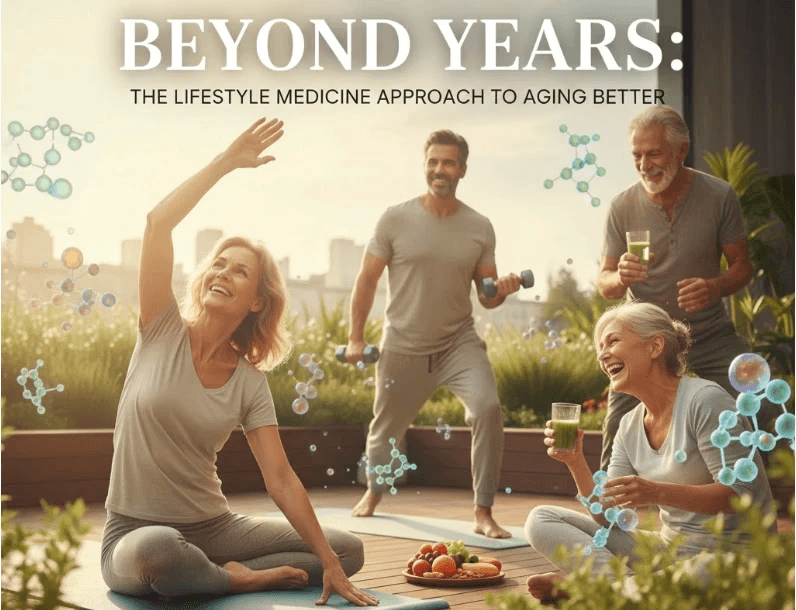
Beyond Years: The Lifestyle Medicine Approach to Aging Better

Anyone in their 40s and early 50s is at a turning point—this is a window when everyday choices can delay or soften the rapid aging changes that often appear later in life. If you’re over 50, you may notice more accelerated changes in your body, but your lifestyle still holds remarkable power. Every choice shapes how your body’s proteins behave. Even small, steady shifts in habits can help you keep your strength, independence, and sense of well-being much longer.

Beyond Years: The Lifestyle Medicine Approach to Aging Better
Date

Dec 5, 2025

Dec 5, 2025

Dec 5, 2025

Author

Olabisi Adenuga

Read time

5 mins

The Changing Landscape of Aging

Aging looks different for everyone. While some people stay vigorous well into their 70s, others face major health setbacks much earlier. Recent science shows aging doesn’t happen at a steady pace. Instead, it accelerates in bursts—with a particularly important surge between ages 45 and 55. Understanding this pattern helps you take a more proactive, personal approach to health, whether you’re aiming to maintain energy, prevent disease, or simply feel your best.

Research reveals that during your late 40s and early 50s, many of your internal systems—especially your heart, liver, muscles, and immune system—undergo swift changes. Key proteins related to inflammation, heart and liver health, and tissue repair rise sharply. This period is sometimes called a “molecular cascade storm,” a time when your biology is especially open to positive influence from lifestyle choices. Adults 50+ need slightly higher protein intake from lean, clean sources to counter muscle loss and support organ health.

Focus on fish, legumes, and plant-based proteins while limiting processed and high-fat meats. Evenly distribute protein intake across meals to maintain muscle mass.

Why Midlife Health Choices Matter
  • Metabolism slows down, and your body processes protein less efficiently, making it important to get enough high-quality protein and manage blood sugar.

  • Organ resilience declines, so you may feel greater impact from poor sleep, sedentary routines, or unhealthy eating.

    • Cardiovascular system: Proteins associated with aortic aging and cardiovascular decline rise sharply

    • Liver: Proteins linked to fatty liver disease and fibrosis increase significantly.

    • Connective tissue and skin: Collagen-related proteins and amyloid build-up become more prominent, contributing to tissue stiffness and an aging appearance.

  • Risks for chronic diseases like heart trouble, liver issues, and tissue degeneration rise significantly after age 50.

  • Immune system: Senescence-associated proteins, often called senokines, escalate, sending “aging signals” that impact the tissue systemically.

  • Genetic and Environmental Factors
    Genetics influence baseline aging rates, but environment and behaviours shape outcomes. Instead of focusing solely on weight loss, aim for lasting vitality, independence, and illness prevention.


Building Your Health Foundation
  • Balanced protein intake: Adults 50+ need slightly higher protein intake from lean, clean sources to counter muscle loss and support organ health. Choose plant-based proteins such as beans, lentils, tofu, tempeh, quinoa, and peas to Protect muscle and organ health as you age.

  • Add antioxidants: Fill your meals with a variety of fruits, vegetables, nuts, and seeds to fight oxidative stress, one of the main drivers of cellular aging.

  • Support your liver: Avoid alcohol, sugary snacks, and processed foods to keep your protein profile healthier and reduce risks related to fatty liver.

  • Space out your protein: Spread protein evenly through meals for stronger muscles in older age.


Movement Is Medicine
  • Strength training: Two to three days each week of lifting weights or using resistance bands helps rebuild muscle and keep bones strong.

  • Heart health: Activities like brisk walking, cycling, or swimming boost circulation and lower risk of vascular aging.

  • Flexibility: Yoga and stretching routines help you stay active and independent.


Prioritize Sleep

A good night’s sleep is the body’s repair time—aim for at least seven hours. Consistent bedtimes, a calming routine, and a cool, dark room can help you reset and recover, minimizing harmful protein buildup and inflammation.

Reduce Stress

Chronic stress elevates cortisol, accelerating protein misfolding and inflammation linked to aging. Calming practices—like deep breathing, mindfulness, or simply keeping a gratitude journal—help keep your system in balance and improve long-term health. Social connections act as buffers, protecting against accelerated aging and promoting mental wellness.

Limit Toxins, Boost Detox

Drink clean, filtered water, choose natural personal care products, and enjoy detox-friendly foods like broccoli and whole grains. Every positive step eases the protein “storm” that comes with midlife and beyond.

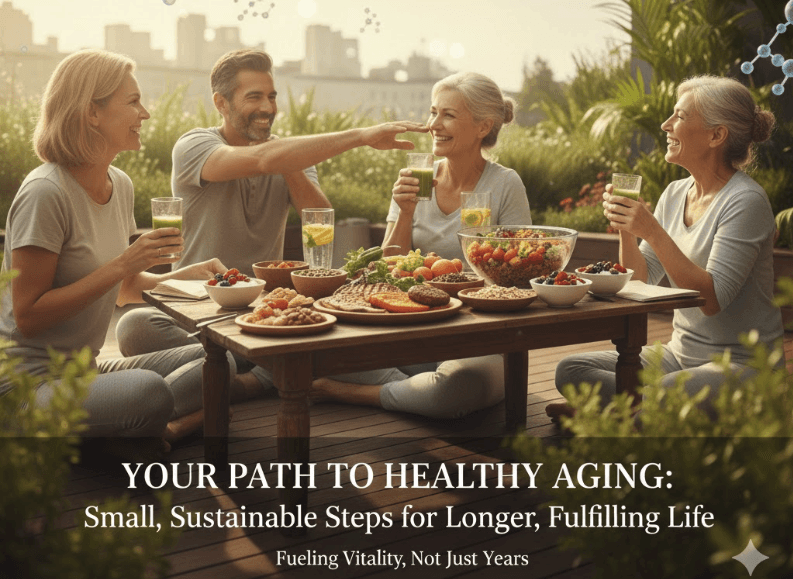
Your Path to Healthy Aging

At iLive Health Solutions, you’re seen as the agent of your health—not a passive recipient of fate. Between ages 40 and 55, your daily choices hold especially strong power to delay or reduce the rapid changes linked to aging. Every step you take—big or small—shapes your future well-being.

Even after 50, it is never too late to slow the process. With targeted changes in nutrition, exercise, sleep, and stress management, you can influence the pace of aging and reclaim more years of strength, energy, and independence.


Age 40s and early 50s you are a critical window. The choices you make now can delay or soften the rapid aging changes that often appear later.”

Ready to take the next step? CLICK
Your healthiest years may still be ahead.


References
The Changing Landscape of Aging

Aging looks different for everyone. While some people stay vigorous well into their 70s, others face major health setbacks much earlier. Recent science shows aging doesn’t happen at a steady pace. Instead, it accelerates in bursts—with a particularly important surge between ages 45 and 55. Understanding this pattern helps you take a more proactive, personal approach to health, whether you’re aiming to maintain energy, prevent disease, or simply feel your best.

Research reveals that during your late 40s and early 50s, many of your internal systems—especially your heart, liver, muscles, and immune system—undergo swift changes. Key proteins related to inflammation, heart and liver health, and tissue repair rise sharply. This period is sometimes called a “molecular cascade storm,” a time when your biology is especially open to positive influence from lifestyle choices. Adults 50+ need slightly higher protein intake from lean, clean sources to counter muscle loss and support organ health.

Focus on fish, legumes, and plant-based proteins while limiting processed and high-fat meats. Evenly distribute protein intake across meals to maintain muscle mass.

Why Midlife Health Choices Matter
  • Metabolism slows down, and your body processes protein less efficiently, making it important to get enough high-quality protein and manage blood sugar.

  • Organ resilience declines, so you may feel greater impact from poor sleep, sedentary routines, or unhealthy eating.

    • Cardiovascular system: Proteins associated with aortic aging and cardiovascular decline rise sharply

    • Liver: Proteins linked to fatty liver disease and fibrosis increase significantly.

    • Connective tissue and skin: Collagen-related proteins and amyloid build-up become more prominent, contributing to tissue stiffness and an aging appearance.

  • Risks for chronic diseases like heart trouble, liver issues, and tissue degeneration rise significantly after age 50.

  • Immune system: Senescence-associated proteins, often called senokines, escalate, sending “aging signals” that impact the tissue systemically.

  • Genetic and Environmental Factors
    Genetics influence baseline aging rates, but environment and behaviours shape outcomes. Instead of focusing solely on weight loss, aim for lasting vitality, independence, and illness prevention.


Building Your Health Foundation
  • Balanced protein intake: Adults 50+ need slightly higher protein intake from lean, clean sources to counter muscle loss and support organ health. Choose plant-based proteins such as beans, lentils, tofu, tempeh, quinoa, and peas to Protect muscle and organ health as you age.

  • Add antioxidants: Fill your meals with a variety of fruits, vegetables, nuts, and seeds to fight oxidative stress, one of the main drivers of cellular aging.

  • Support your liver: Avoid alcohol, sugary snacks, and processed foods to keep your protein profile healthier and reduce risks related to fatty liver.

  • Space out your protein: Spread protein evenly through meals for stronger muscles in older age.


Movement Is Medicine
  • Strength training: Two to three days each week of lifting weights or using resistance bands helps rebuild muscle and keep bones strong.

  • Heart health: Activities like brisk walking, cycling, or swimming boost circulation and lower risk of vascular aging.

  • Flexibility: Yoga and stretching routines help you stay active and independent.


Prioritize Sleep

A good night’s sleep is the body’s repair time—aim for at least seven hours. Consistent bedtimes, a calming routine, and a cool, dark room can help you reset and recover, minimizing harmful protein buildup and inflammation.

Reduce Stress

Chronic stress elevates cortisol, accelerating protein misfolding and inflammation linked to aging. Calming practices—like deep breathing, mindfulness, or simply keeping a gratitude journal—help keep your system in balance and improve long-term health. Social connections act as buffers, protecting against accelerated aging and promoting mental wellness.

Limit Toxins, Boost Detox

Drink clean, filtered water, choose natural personal care products, and enjoy detox-friendly foods like broccoli and whole grains. Every positive step eases the protein “storm” that comes with midlife and beyond.

Your Path to Healthy Aging

At iLive Health Solutions, you’re seen as the agent of your health—not a passive recipient of fate. Between ages 40 and 55, your daily choices hold especially strong power to delay or reduce the rapid changes linked to aging. Every step you take—big or small—shapes your future well-being.

Even after 50, it is never too late to slow the process. With targeted changes in nutrition, exercise, sleep, and stress management, you can influence the pace of aging and reclaim more years of strength, energy, and independence.


Age 40s and early 50s you are a critical window. The choices you make now can delay or soften the rapid aging changes that often appear later.”

Ready to take the next step? CLICK
Your healthiest years may still be ahead.


References
The Changing Landscape of Aging

Aging looks different for everyone. While some people stay vigorous well into their 70s, others face major health setbacks much earlier. Recent science shows aging doesn’t happen at a steady pace. Instead, it accelerates in bursts—with a particularly important surge between ages 45 and 55. Understanding this pattern helps you take a more proactive, personal approach to health, whether you’re aiming to maintain energy, prevent disease, or simply feel your best.

Research reveals that during your late 40s and early 50s, many of your internal systems—especially your heart, liver, muscles, and immune system—undergo swift changes. Key proteins related to inflammation, heart and liver health, and tissue repair rise sharply. This period is sometimes called a “molecular cascade storm,” a time when your biology is especially open to positive influence from lifestyle choices. Adults 50+ need slightly higher protein intake from lean, clean sources to counter muscle loss and support organ health.

Focus on fish, legumes, and plant-based proteins while limiting processed and high-fat meats. Evenly distribute protein intake across meals to maintain muscle mass.

Why Midlife Health Choices Matter
  • Metabolism slows down, and your body processes protein less efficiently, making it important to get enough high-quality protein and manage blood sugar.

  • Organ resilience declines, so you may feel greater impact from poor sleep, sedentary routines, or unhealthy eating.

    • Cardiovascular system: Proteins associated with aortic aging and cardiovascular decline rise sharply

    • Liver: Proteins linked to fatty liver disease and fibrosis increase significantly.

    • Connective tissue and skin: Collagen-related proteins and amyloid build-up become more prominent, contributing to tissue stiffness and an aging appearance.

  • Risks for chronic diseases like heart trouble, liver issues, and tissue degeneration rise significantly after age 50.

  • Immune system: Senescence-associated proteins, often called senokines, escalate, sending “aging signals” that impact the tissue systemically.

  • Genetic and Environmental Factors
    Genetics influence baseline aging rates, but environment and behaviours shape outcomes. Instead of focusing solely on weight loss, aim for lasting vitality, independence, and illness prevention.


Building Your Health Foundation
  • Balanced protein intake: Adults 50+ need slightly higher protein intake from lean, clean sources to counter muscle loss and support organ health. Choose plant-based proteins such as beans, lentils, tofu, tempeh, quinoa, and peas to Protect muscle and organ health as you age.

  • Add antioxidants: Fill your meals with a variety of fruits, vegetables, nuts, and seeds to fight oxidative stress, one of the main drivers of cellular aging.

  • Support your liver: Avoid alcohol, sugary snacks, and processed foods to keep your protein profile healthier and reduce risks related to fatty liver.

  • Space out your protein: Spread protein evenly through meals for stronger muscles in older age.


Movement Is Medicine
  • Strength training: Two to three days each week of lifting weights or using resistance bands helps rebuild muscle and keep bones strong.

  • Heart health: Activities like brisk walking, cycling, or swimming boost circulation and lower risk of vascular aging.

  • Flexibility: Yoga and stretching routines help you stay active and independent.


Prioritize Sleep

A good night’s sleep is the body’s repair time—aim for at least seven hours. Consistent bedtimes, a calming routine, and a cool, dark room can help you reset and recover, minimizing harmful protein buildup and inflammation.

Reduce Stress

Chronic stress elevates cortisol, accelerating protein misfolding and inflammation linked to aging. Calming practices—like deep breathing, mindfulness, or simply keeping a gratitude journal—help keep your system in balance and improve long-term health. Social connections act as buffers, protecting against accelerated aging and promoting mental wellness.

Limit Toxins, Boost Detox

Drink clean, filtered water, choose natural personal care products, and enjoy detox-friendly foods like broccoli and whole grains. Every positive step eases the protein “storm” that comes with midlife and beyond.

Your Path to Healthy Aging

At iLive Health Solutions, you’re seen as the agent of your health—not a passive recipient of fate. Between ages 40 and 55, your daily choices hold especially strong power to delay or reduce the rapid changes linked to aging. Every step you take—big or small—shapes your future well-being.

Even after 50, it is never too late to slow the process. With targeted changes in nutrition, exercise, sleep, and stress management, you can influence the pace of aging and reclaim more years of strength, energy, and independence.


Age 40s and early 50s you are a critical window. The choices you make now can delay or soften the rapid aging changes that often appear later.”

Ready to take the next step? CLICK
Your healthiest years may still be ahead.


References

View our other posts

Subscribe

Join our newsletter to stay up to date on features and releases.

By subscribing you agree to with our Privacy Policy and provide consent to receive updates from our company.

© 2024 iLIVE Health Solutions. All rights reserved.

|

|

Designed and developed by Amplify Agency

Subscribe

Join our newsletter to stay up to date on features and releases.

By subscribing you agree to with our Privacy Policy and provide consent to receive updates from our company.

© 2024 iLIVE Health Solutions. All rights reserved.

Designed and developed by Amplify Agency

Subscribe

Join our newsletter to stay up to date on features and releases.

By subscribing you agree to with our Privacy Policy and provide consent to receive updates from our company.

© 2024 iLIVE Health Solutions. All rights reserved.

Designed and developed by Amplify Agency